
- Title: A critical review of the educational policies of the Islamic Republic of Iran in the field of children with an emphasis on the performance of the national media
- Student: Alameh Jamalzadeh
- Supervisor: Dr. Seyed Mohammad Hossein Hashemian
- University: Faculty of Political Science and Social Sciences, Baqir al-Ulum University (AS)
- Degree: Master’s
- Major: Propagation and Cultural Communication
- Defense Year: 1393 (2014)
Abstract:
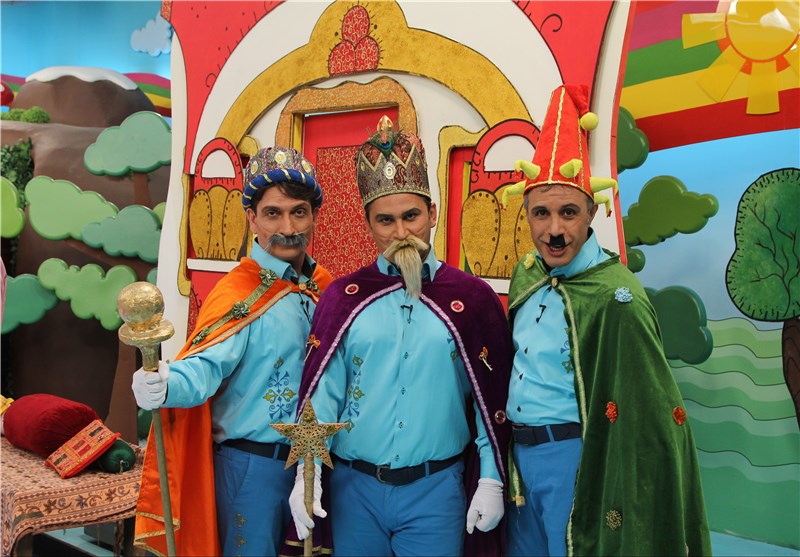
Considering the importance of education and upbringing in childhood and the profound and extensive impact of the national media in this regard, this research attempts, by analyzing and examining the existing policy discourse in children’s programs and matching it with the desirable Islamic policy discourse in child upbringing, to answer the question: “What are the strengths and weaknesses of the national media’s policy discourse in the field of children?” The research method used is Laclau and Mouffe’s discourse analysis method, meaning that first, the desired written and visual documents are analyzed through qualitative content analysis, and after obtaining the articulation of the desired and existing discourses of the national media, the semantic system of both discourses is examined and compared with each other. The statistical population in this research is the program “Fitileh Jomeh تعطیله” from the launch year of the vision document until 1391 (2012-2013), from which 19 programs were selected through systematic random sampling. The results of the research show that the semantic system of the desirable Islamic policy discourse in the field of children (the responsible believer discourse) is formed by the elements of strengthening practical foundations, increasing interest and attachment to the Islamic Revolution, entertainment and vitality, physical health and hygiene, and teaching religious rulings and doctrines around the central pivot of religious and moral growth and upbringing; while educational, instructional, patriotic, physical health and hygiene elements, information dissemination, and religious teachings around the central pivot of joy and entertainment along with negligence constitute the semantic system of the existing policy discourse in the national media’s children’s programs (the carefree citizen discourse). Although these two discourses share almost similar elements and concepts, because their semantic systems are different, similar concepts and themes also take on different meanings. Therefore, the existing policy discourse in the national media is far from the desirable Islamic policy discourse in the field of children, and the biggest weakness in this discourse is the lack of domination of Islamic education in the program and the heavy emphasis on music and making entertainment and vitality the focal point.